
Making breakfast. Getting dressed. Returning to work. Looking after children. After a serious injury, these everyday activities can become difficult, exhausting or unsafe.
For solicitors, establishing how an injury affects daily life is a significant part of assessing its consequences. An occupational therapy expert witness can provide detailed evidence about a person’s functional abilities, the support they need and the barriers to greater independence.
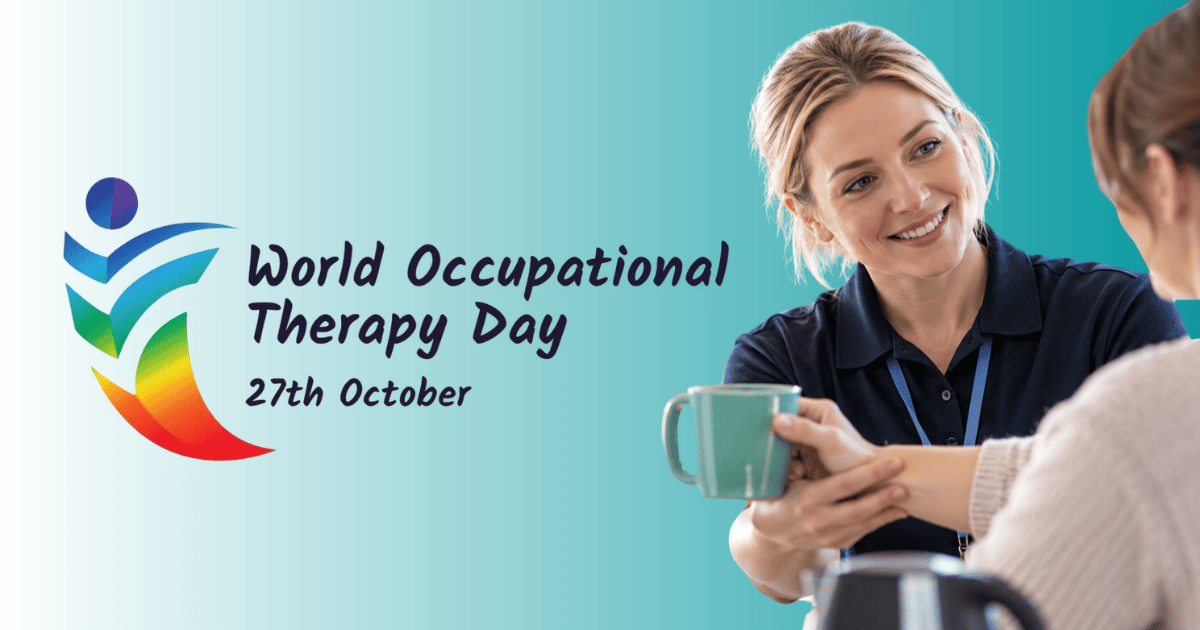
World Occupational Therapy Day on 27 October celebrates the profession’s contribution. This year’s theme, “Participation Matters”, offers a timely opportunity to recognise the value occupational therapists bring to medico-legal evidence.
What does an occupational therapy expert assess?
Occupational therapists examine how physical, cognitive, sensory and emotional difficulties affect the activities that matter to a person. Their assessment considers the individual, the task and the environment in which it takes place.
In a serious injury case, this might involve assessing personal care, meal preparation, household tasks, community access, parenting or employment. Depending on their expertise and instructions, an OT may identify rehabilitation needs, equipment, adaptations and practical support.
Their evidence helps explain what a person can do safely, consistently and independently, including any prompting, supervision or assistance required.
When should solicitors consider an OT expert?
An OT opinion may be valuable when the case raises questions about daily function or future support. Common triggers include:
- Changes in independence: the person now needs help with washing, dressing, cooking or managing routines.
- Cognitive difficulties: problems with memory, planning, attention or judgement affect safety and everyday decisions.
- Returning to work: fatigue, reduced stamina or cognitive changes affect the demands of a job.
- Equipment and adaptations: the suitability of the home or the need for aids requires assessment.
- Changing needs: rehabilitation progress, a move home or another life transition raises questions about future provision.
For example, a person recovering from brain injury may be physically able to prepare a meal, yet need supervision to follow the steps and use appliances safely. An OT assessment can help establish the nature and extent of that support.
Considering OT evidence early gives the legal team time to identify the right specialist, define the questions and coordinate assessments. The timing of a report should reflect the person’s clinical position, the issues in dispute and the court timetable.
What makes their evidence valuable?
An OT expert connects the available clinical evidence with the practical demands of everyday life. This can help the court assess the reasoning behind recommendations for rehabilitation, assistance and equipment. Defining each expert’s remit helps manage overlap across care, accommodation, rehabilitation and employment evidence.
In civil proceedings in England and Wales, an expert’s overriding duty is to assist the court on matters within their expertise. Their opinion must be independent, objective and supported by appropriate reasoning.
Meet NRC’s occupational therapy experts
Heather Bushell, Occupational Therapist, brings experience in complex neurological and catastrophic injuries, cognitive rehabilitation and vocational rehabilitation. Her clinical work includes functional and standardised assessments, work-based assessments and graded return-to-work plans. Her interests include supporting parenting and intimate relationships after brain injury.
Andrea Matthews, Consultant Occupational Therapist and Advanced Practitioner of Sensory Integration, specialises in acquired brain injury and sensory processing and integration difficulties. Her medico-legal profile covers neurological conditions, mental health issues, learning difficulties and developmental conditions. She works with adults and children and has experience across homes, schools, workplaces and rehabilitation settings.
Choosing the right expertise
The appropriate OT expert will depend on the person’s injuries, age, circumstances and the questions requiring evidence. Relevant clinical experience and the proposed scope of the instruction should guide that choice. Each assessment should address the individual circumstances involved.
This World Occupational Therapy Day, we recognise the contribution of occupational therapists who bring careful assessment and practical insight to serious injury cases. Their evidence helps the court examine how an injury affects participation in daily life and what support may be needed.