Eating, drinking and swallowing difficulties can have a significant and lasting effect on a person’s health, independence and quality of life following neurological injury or disability.
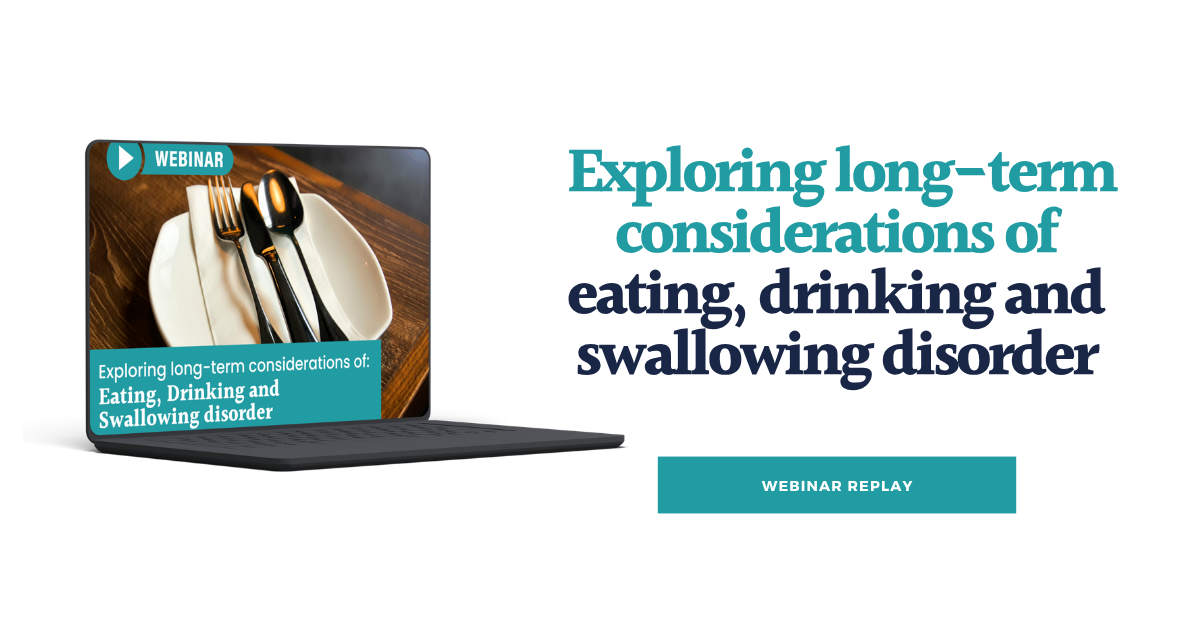
In September 2026, NRC Medical Experts hosted a free webinar for solicitors, case managers and professionals working in serious injury, clinical negligence and rehabilitation, exploring the long-term management of Eating, Drinking and Swallowing (EDS) disorders.
The session was led by Neurology Speech and Language Therapist Claire MacLaine and Neurorehabilitation Dietitian Vishwa Ramnani, both expert witnesses for NRC Medical Experts.
Focus of the session
The webinar examined the long-term effects of EDS disorders following brain injury, stroke, spinal cord injury and other neurological conditions.
Claire and Vishwa discussed how swallowing and nutritional needs can change over time, and the clinical, practical and medico-legal issues that may arise as part of rehabilitation and long-term care planning.
The session explored the impact EDS disorders can have on nutrition, hydration, respiratory health, communication, independence and everyday life. It also considered the support a person may require, including texture-modified food and fluids, specialist equipment, carer assistance, enteral feeding, clinical monitoring and ongoing professional review.
Claire examined the role of speech and language therapy in assessing swallowing function, managing risk and identifying long-term support needs. She also considered the effect of EDS disorders on daily routines, care arrangements, social participation and independence.
Vishwa explored the nutritional implications of neurological injury and disability, including nutritional assessment, methods of nutrition support and the importance of reviewing needs as a person’s health, function and circumstances change.
Together, they considered how coordinated input from speech and language therapy and dietetics can help identify a person’s current and future care, nutritional, rehabilitation and equipment needs.
📺 Watch the webinar – below and on YouTube
Key learning points
The webinar covers:
- The causes and effects of EDS disorders in people with neurological injury or disability
- The impact of swallowing difficulties on nutrition, hydration, respiratory health and daily life
- The role of speech and language therapists in swallowing assessment, management and review
- The role of dietitians in assessing nutritional needs and planning appropriate support
- The types of care, equipment, supervision and clinical input that may be required
- How swallowing and nutritional needs can change throughout rehabilitation and later life
- The value of coordinated multidisciplinary input when planning treatment, care and future provision
- The information legal teams and case managers may need to consider when reviewing records and expert evidence
Long-term management of EDS disorders often requires regular assessment and coordinated clinical input. Swallowing safety, nutritional status, physical health, cognitive function and independence may all change following injury and over the course of a person’s life.
For legal teams and case managers, understanding these changes can be important when assessing rehabilitation needs, future care provision and medico-legal evidence.
Need expert input on a case?
NRC Medical Experts provides access to experienced medical and therapy experts working across brain injury, complex neurological disability and rehabilitation.
Contact us to learn more:
enquiries@nnrc.org.uk
0191 466 1406
Search our directory to find an Expert Witness